The Sky Is Getting More Expensive: US Airlines Chase Premium Profits
Rising fuel costs and strong travel demand are driving US airfares higher, with airlines targeting wealthier passengers through premium services. Despite rising prices, travel demand remains resilient, while budget-conscious travelers face growing costs.
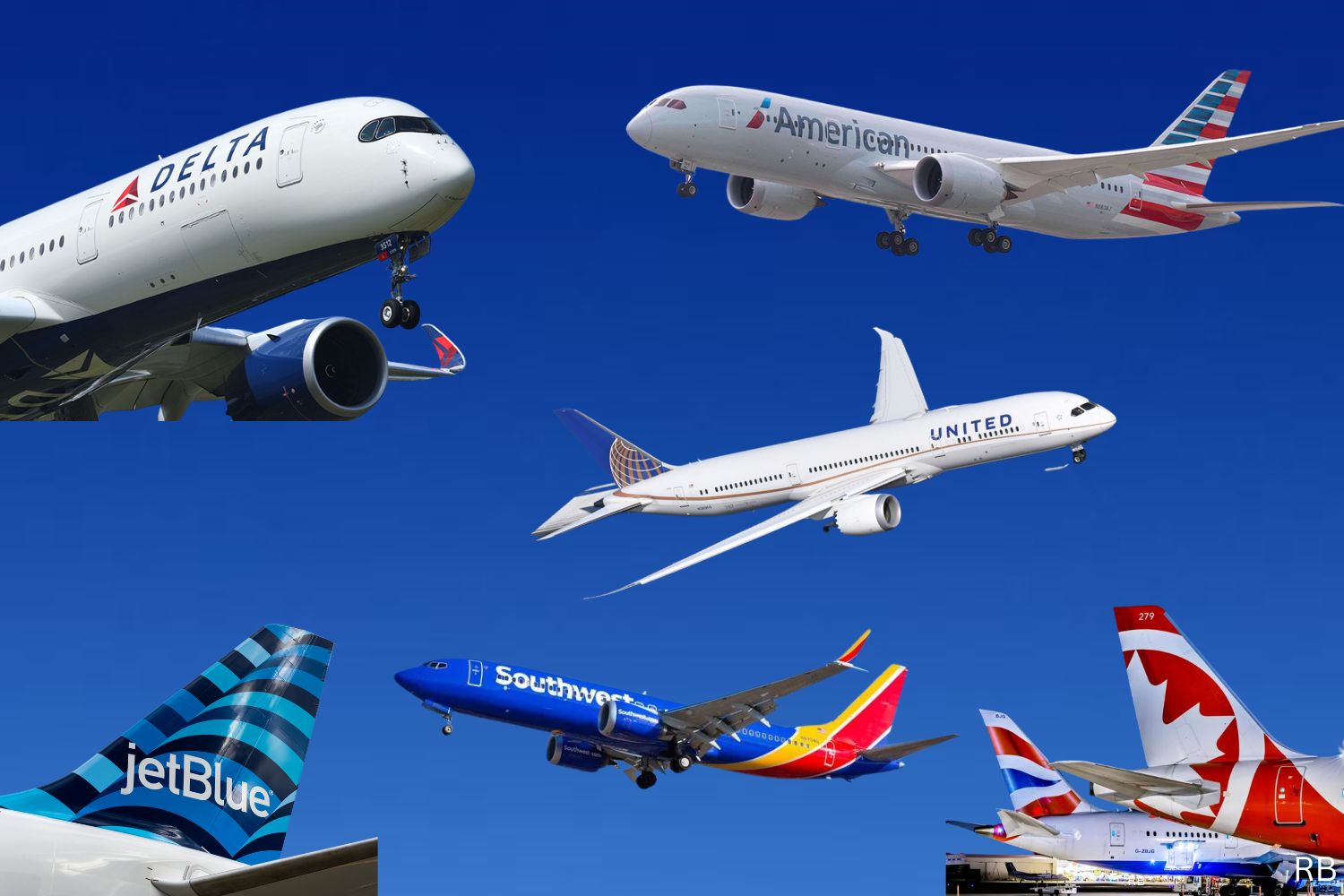
US Airfares Jump 22%: Why Airlines Are Chasing Wealthier Travelers
Flying in the United States is getting more expensive, and airlines are changing the way they do business. With airfares reportedly rising 22.4% year over year in September 2026, carriers are increasingly focusing on premium travelers who are willing to pay more for comfort, flexibility and extra services.
According to the US Bureau of Labor Statistics (BLS), airfare inflation significantly outpaced the 3.7% increase in overall consumer prices. Rising fuel costs, inflationary pressures and resilient travel demand are all helping reshape airline pricing strategies.
Premium Travel Takes Center Stage
Major airlines, including Delta Air Lines and United Airlines, are putting greater emphasis on business class, first class, premium economy and other higher-value products. Extra legroom, priority services, airport lounge access and personalized experiences are becoming important ways to increase revenue per passenger.
But this isn't just about wealthy travelers. Economy passengers are feeling the squeeze, too.
According to Airlines Reporting Corporation (ARC), the average round-trip domestic ticket sold through US travel agencies reached $669 in September 2026, up from $558 a year earlier and $624 in August. Average economy fares rose 21% year over year to $608, while premium-class fares increased 14% to $1,562.
Higher Costs, but Demand Remains Strong
Jet fuel prices and other operating expenses continue to pressure airline profitability. In response, carriers are adjusting flight capacity and reconsidering less profitable routes while looking for passengers and services that generate higher returns.
Despite rising fares, travel demand remains resilient. ARC reported that total air ticket sales through US-based travel agencies exceeded $10.2 billion in September, an annual increase of 17.5%. The number of trips ticketed rose 1.8% to more than 25.7 million, while corporate travel bookings increased 6%.
In other words, ticket revenue is growing much faster than passenger volumes, suggesting that higher prices are playing a major role in the industry's growth.
Holiday Travel Could Cost Even More
Travelers planning Thanksgiving and Christmas trips may face another round of price pressure. Reported average domestic round-trip fares for Thanksgiving were 31% higher than a year earlier, while Christmas fares were up 23%.
For travelers with larger budgets, these increases may be manageable. For families and budget-conscious passengers, however, holiday travel is becoming a more expensive proposition.
The Bigger Picture
The US airline industry is increasingly competing on more than just cheap tickets and passenger numbers. Premium cabins, loyalty programs, ancillary fees and personalized services are becoming central to airline revenue strategies.
Still, there is a limit to how much travelers are willing or able to pay. The long-term success of these strategies will depend on consumer purchasing power, fuel prices and whether travel demand remains strong.