Generation Z Is Changing Airport Shopping—Is the Industry Ready?
As global passenger numbers continue to reach record highs, the travel retail industry faces a growing challenge: adapting to changing consumer behavior and evolving expectations to turn increased airport traffic into sustainable commercial growth.
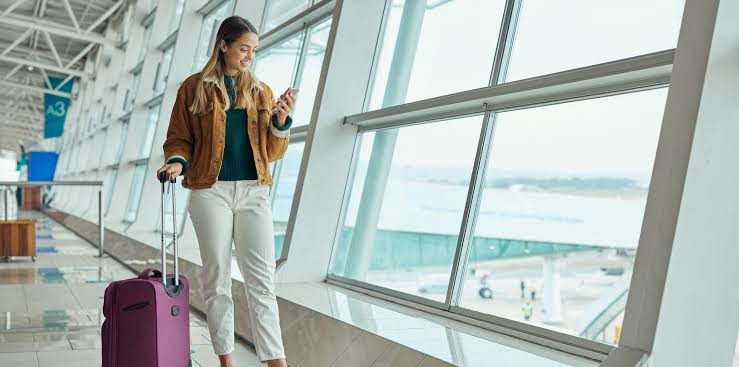
More Passengers, But Not More Shoppers: Is Travel Retail Missing the Moment?
Every forecast seems to tell the same story: aviation is booming again.
Passenger numbers continue to climb, airlines are expanding their networks, airports are getting busier, and long-term demand remains remarkably strong. According to IATA, international departures are expected to reach 2.41 billion passengers in 2026—around 22% above pre-pandemic levels.
So, everything should be looking great for travel retail, right?
Well, not quite.
One of the most interesting discussions at the 2026 TRBusiness Travel Retail Consumer Forum in Geneva came from IATA and consumer research specialist m1nd-set. Their message was simple but thought-provoking: more passengers are not automatically translating into more retail spending.
That gap deserves attention.
For years, the industry has relied on growing passenger traffic to fuel commercial revenues. But today's travelers don't behave the same way they did even five years ago. They shop differently, spend differently, and perhaps most importantly, they value experiences over transactions.
Generation Z perfectly illustrates this shift.
They travel more frequently, often book trips at the last minute, actively seek authentic experiences, and are surprisingly willing to travel outside peak seasons. They are digitally connected throughout their journey and expect convenience, personalization, and relevance wherever they go—including at airports.
Traditional duty-free shopping alone may no longer be enough to capture their attention.
Instead, airports have an opportunity to rethink what travel retail actually means. Imagine spaces where local cuisine, premium retail, entertainment, and digital engagement come together naturally rather than existing as separate experiences. Shopping becomes part of the journey instead of simply filling time before boarding.
The numbers suggest there is plenty to play for.
m1nd-set estimates that the global travel retail market, currently valued at around US$75 billion, could grow to approximately US$130 billion by 2031. But reaching that potential won't happen simply because more people are flying. It will require airports, brands, and retailers to evolve alongside their customers.
Personalized offers, seamless digital services, hybrid food-and-retail concepts, and stronger local storytelling are no longer "nice to have." They're becoming competitive necessities.
Looking further ahead, aviation's growth story remains compelling. IATA expects global passenger traffic to roughly double between 2024 and 2050, with Asia-Pacific leading the way. India, Southeast Asia, and the Middle East are set to become some of the world's most dynamic aviation markets, bringing millions of new travelers into airport terminals.
Of course, challenges remain. Fuel prices continue to represent one of the largest costs for airlines, while geopolitical uncertainty can quickly reshape travel patterns. Those realities aren't going away anytime soon.
Yet perhaps the biggest challenge for travel retail isn't economic at all.
It's behavioral.
Passengers are already back. In many places, they're arriving in record numbers. The real question is whether airports and retailers are evolving quickly enough to meet the expectations of this new generation of travelers.
Because in the end, success won't be measured simply by how many people walk through the terminal.
It will depend on how many of them choose to stop, explore, engage—and ultimately, buy.