Meet 2026 ED138: A Possible New World Beyond Neptune
The Vera C. Rubin Observatory has discovered 2026 ED138, a distant icy object beyond Neptune that could become the solar system's sixth officially recognized dwarf planet.
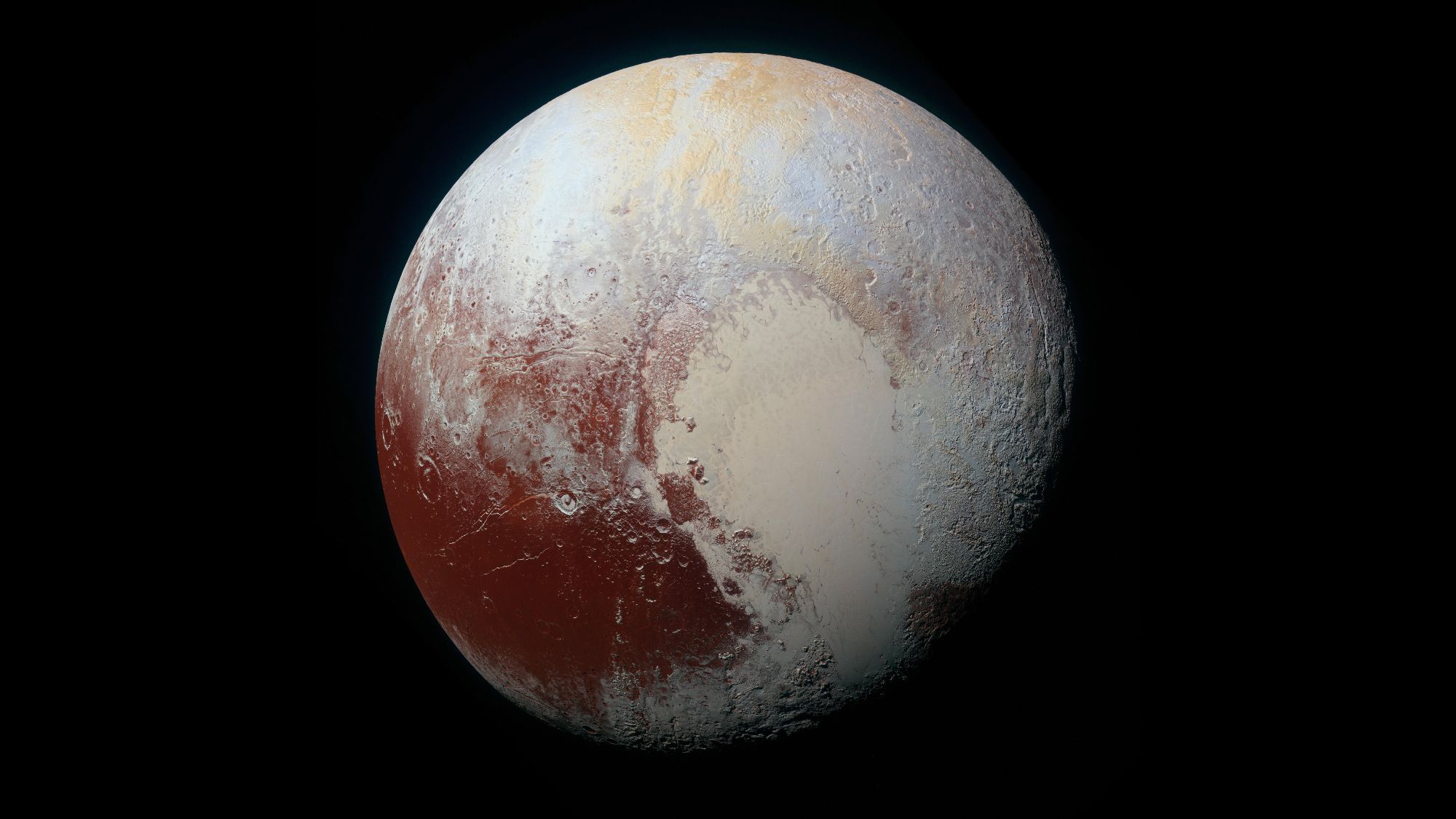
The solar system may be getting a new member. The powerful Vera C. Rubin Observatory has spotted a mysterious icy object beyond Neptune that could turn out to be a dwarf planet.
Named 2026 ED138, the object is estimated to be between 600 and 1,500 kilometers (373–972 miles) wide. That's potentially large enough for its own gravity to shape it into a sphere, one of the key characteristics of a dwarf planet.
If confirmed, this would be a significant discovery. So far, astronomers have officially recognized only five dwarf planets: Pluto, Ceres, Eris, Haumea and Makemake.
The discovery was made by Matthew Holman of the Center for Astrophysics | Harvard & Smithsonian (CfA). On October 13, 2026, Holman was analyzing previously collected Rubin Observatory data using a search program he developed with his CfA colleague Kevin Napier.
That's when 2026 ED138 appeared in the data, revealing an object orbiting beyond Neptune. Despite its enormous distance from the Sun, it was surprisingly bright, suggesting that it could be considerably larger than the average trans-Neptunian object.
For now, 2026 ED138 remains a dwarf planet candidate rather than a confirmed one. Still, its discovery offers an exciting reminder that there is much more to explore in the distant corners of our solar system.