Kuwait Sounds the Alarm: A Second ICAO Complaint Over Airspace Security
Kuwait has filed a second complaint with ICAO, warning that alleged Iranian airspace violations pose risks to civil aviation safety and national sovereignty.
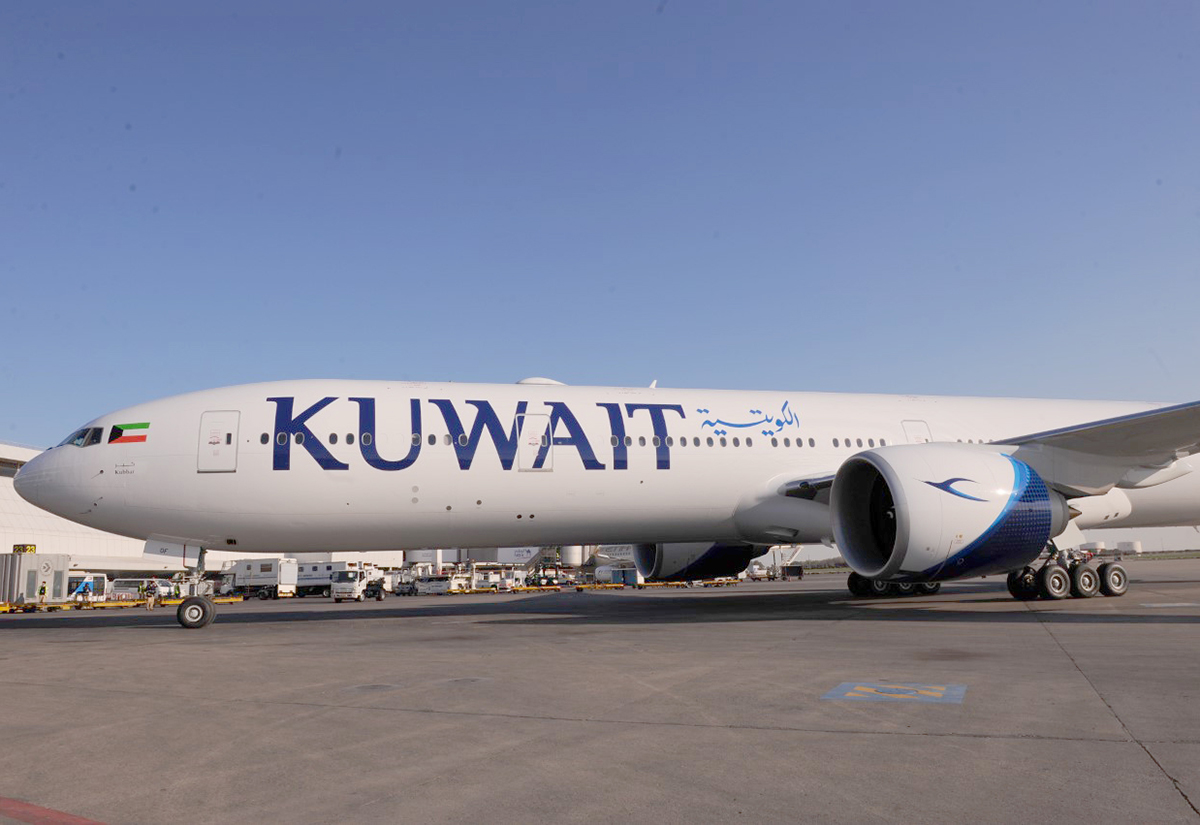
Kuwait’s Second Complaint to ICAO Raises Fresh Concerns Over Regional Airspace Safety
In a region where geopolitical tensions often spill beyond borders, airspace security has once again become a topic of growing concern. This week, Kuwait took the unusual step of submitting its second official protest to the International Civil Aviation Organization (ICAO), citing violations linked to Iran that it says threaten both its sovereignty and the safety of civil aviation.
At first glance, this may sound like another diplomatic dispute. But when the issue involves commercial flights, airport operations, and passenger safety, the stakes become much higher.
According to Kuwaiti aviation authorities, the reported violations affected the country’s airspace and critical aviation infrastructure, raising concerns about the safety and reliability of flight operations. Officials argue that such incidents are not merely political disagreements; they have real-world implications for airlines, airport personnel, and thousands of travelers who depend on secure and uninterrupted air travel every day.
Kuwait’s message to ICAO was clear: respect for national airspace and adherence to international aviation agreements are not optional. They are fundamental principles that keep the global aviation system functioning safely and efficiently.
The timing of the complaint is also noteworthy. The Middle East has witnessed a series of escalating geopolitical developments in recent months, and aviation has increasingly found itself caught in the crossfire. Flight routes have been adjusted, risk assessments have intensified, and airlines have become more cautious when operating in sensitive areas.
What makes Kuwait’s latest move significant is that it highlights a broader issue facing the international aviation community. Airspace security is no longer just a national concern; it is a regional and global responsibility. A disruption in one area can quickly affect flight networks, airline schedules, and passenger confidence far beyond the region itself.
Experts continue to stress that international mechanisms must be used effectively to address airspace violations and prevent future incidents. The goal is simple but critical: ensuring that passengers can travel safely while maintaining the stability and reliability of international air traffic.
As ICAO reviews Kuwait’s latest complaint, the conversation surrounding aviation safety in the Middle East is likely to intensify. Whether this leads to concrete action remains to be seen, but one thing is certain: when airspace security is questioned, the entire aviation industry pays attention.