Tragedy in the Skies: Six Killed Above Rio de Janeiro
A fatal mid-air helicopter collision over Rio de Janeiro claimed six lives and has raised urgent questions about aviation safety and airspace management.
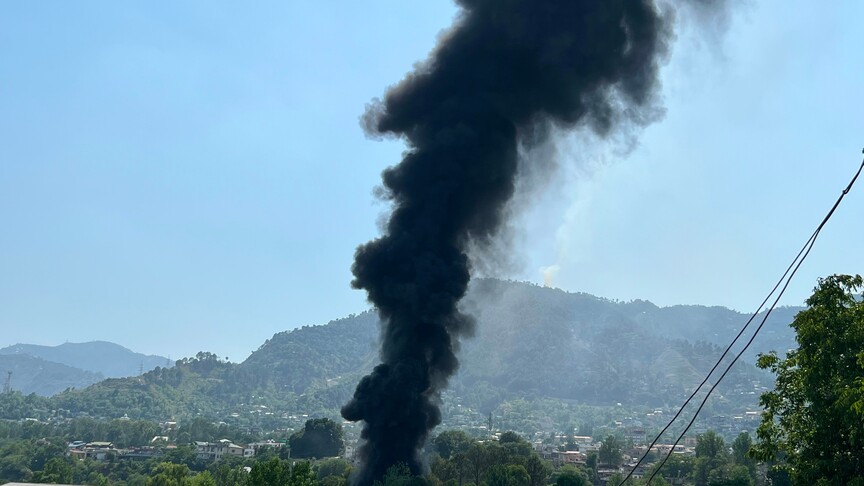
A tragic mid-air collision over Rio de Janeiro has once again drawn attention to the critical importance of aviation safety. On Sunday, two helicopters collided above the city's southwestern district of Recreio dos Bandeirantes, resulting in the loss of six lives and leaving a community in shock.
The severity of the accident was amplified when one of the aircraft crashed near a parking area containing electric vehicles. The impact triggered a major fire, followed by multiple explosions that sent a thick column of smoke across the skyline. Debris was scattered over a wide area, with fragments of the wreckage reaching nearby residential buildings.
While emergency responders acted swiftly to contain the situation, the broader questions surrounding the incident remain unanswered. How did two helicopters operating in the same airspace come into fatal contact? Were there failures in communication, navigation, air traffic management, or operational procedures? These are questions that investigators must address in the weeks and months ahead.
Aviation remains one of the safest modes of transportation, largely because every serious accident is subjected to rigorous examination. Each investigation serves a purpose beyond determining responsibility; it seeks to identify vulnerabilities and prevent future tragedies. The lessons learned from such incidents often lead to improvements in technology, training, and regulatory oversight.
For now, however, the focus should remain on the human cost of this disaster. Six individuals lost their lives in a matter of moments, leaving behind families, colleagues, and communities affected by an event that unfolded without warning.
As authorities continue their investigation, this accident serves as a sobering reminder that safety in aviation is never a finished task. It requires constant vigilance, continuous improvement, and an unwavering commitment to learning from every incident. The answers that emerge from Rio's latest tragedy will be important not only for Brazil's aviation sector but for the broader global aviation community as well.