ANA’s Big Move to Reshape Japan’s Domestic Aviation
ANA Holdings plans to acquire full ownership of RegionalPlus Wings, bringing AIRDO and Solaseed Air closer under its umbrella to improve efficiency and strengthen Japan’s regional air connectivity by April 2027.
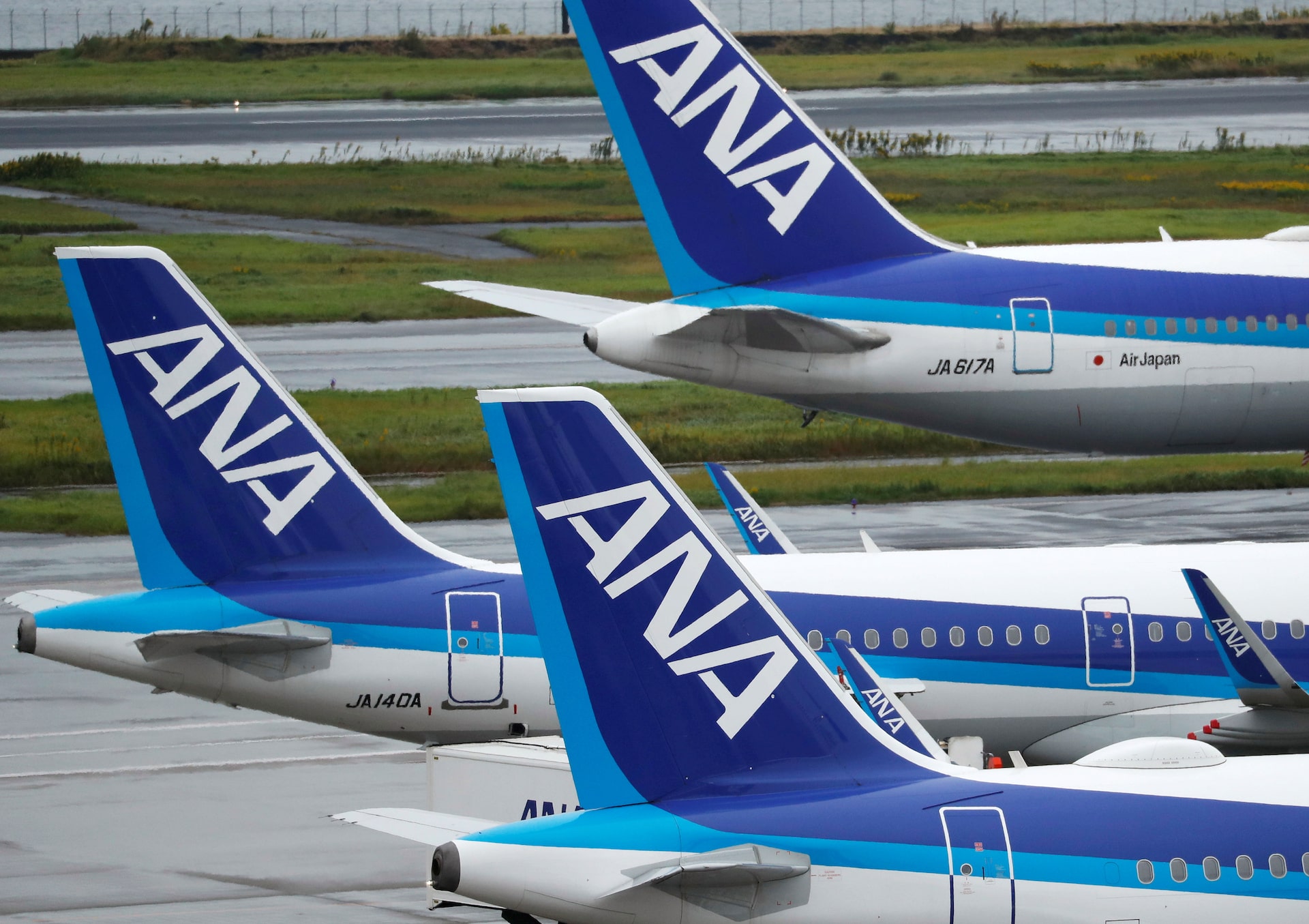
Japan’s aviation landscape could be heading for a major change. ANA Holdings has signed a preliminary agreement to acquire full ownership of RegionalPlus Wings, the parent company of regional airlines AIRDO and Solaseed Air.
Announced on October 29, 2026, the deal will see ANA acquire all remaining shares through a share exchange. Already holding more than 15% of RegionalPlus Wings, ANA aims to become its sole shareholder once the transaction is completed.
The target date is April 1, 2027, following an extraordinary shareholders’ meeting scheduled for February. A final agreement is expected by the end of December 2026. However, the deal is not yet final, as the share exchange ratio, other terms and required approvals are still being discussed.
So, what does this mean for passengers?
For now, AIRDO and Solaseed Air are expected to keep their identities. AIRDO, based in Sapporo, mainly connects Hokkaido with other parts of Japan, while Miyazaki-based Solaseed Air focuses on routes serving Kyushu and Okinawa. Both airlines already cooperate with ANA’s main carrier, All Nippon Airways, through codeshare agreements.
Further down the road, ANA may also consider bringing both airlines under its own brand.
The bigger picture is all about efficiency. Japanese domestic airlines are facing growing pressure from weaker business travel demand, rising fuel and staffing costs, and ongoing labor shortages. By bringing the two carriers fully into its group, ANA hopes to better coordinate flight operations, improve revenue management, combine procurement activities and reduce costs.
Importantly, the goal is not simply to cut expenses. ANA also wants to preserve the airlines’ existing regional networks and strengthen connections across Japan.
A regulatory change has helped make this move possible. In May 2026, Japan removed the 20% ownership limit that had restricted major airlines from increasing their stakes in mid-sized carriers. This opened the door for ANA to take full control of RegionalPlus Wings.
If completed as planned, the acquisition will give ANA greater control over regional air connectivity, particularly in Hokkaido, Kyushu and Okinawa.
Ultimately, this is more than just another corporate acquisition. It reflects a wider shift in Japanese aviation, where cooperation, cost control and regional connectivity are becoming increasingly important. The real challenge for ANA will be finding the right balance: improving efficiency while keeping regional Japan well connected.