The Airbus A321XLR and the New Era of Long-Haul Narrowbody Travel
Discover how the Airbus A321XLR is revolutionizing global air travel. Learn why airlines are using this game-changing narrowbody aircraft to open new long-haul, point-to-point routes while drastically reducing fuel consumption.
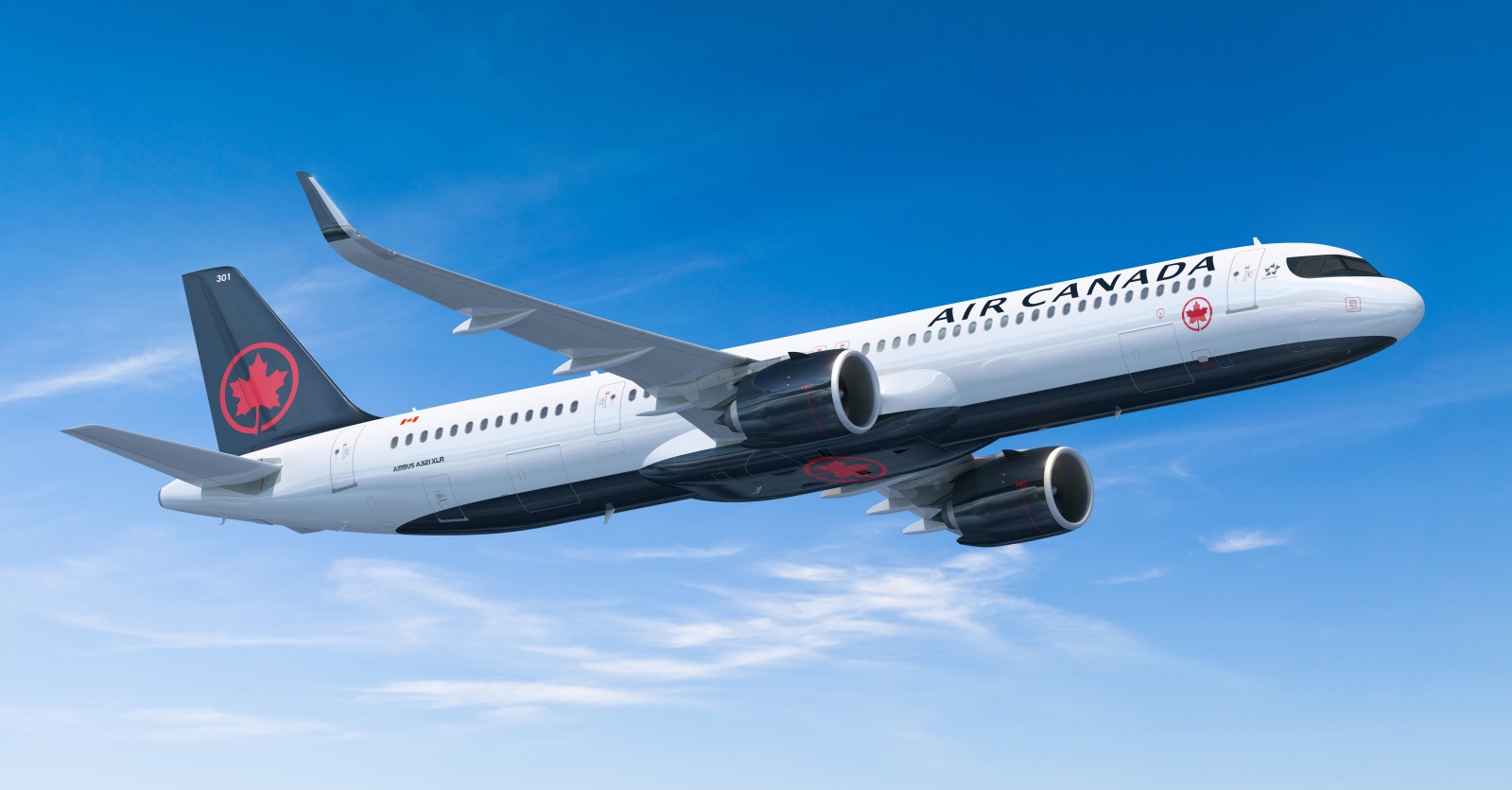
Summary: Discover how the Airbus A321XLR is revolutionizing global air travel. Learn why airlines are using this game-changing narrowbody aircraft to open new long-haul, point-to-point routes while drastically reducing fuel consumption.
For decades, international long-haul air travel has been strictly dominated by massive, twin-aisle widebody aircraft like the Boeing 777 or the Airbus A350. However, the global aviation industry is currently undergoing a massive structural shift with the introduction of a single, revolutionary aircraft: the Airbus A321XLR (eXtra Long Range).
This aircraft is officially dismantling the traditional "hub-and-spoke" model, allowing airlines to connect smaller, secondary cities directly across oceans without the need for layovers at massive transit hubs.
What Makes the A321XLR a Game-Changer?
The Airbus A321XLR is a single-aisle (narrowbody) aircraft that boasts an unprecedented range of up to 4,700 nautical miles (approximately 8,700 kilometers). This allows it to fly up to 11 hours non-stop, effectively opening up routes that were previously unprofitable or impossible for aircraft of its size.
Key factual advantages driving its immense global demand include:
- Point-to-Point Connectivity: Airlines can now offer direct flights between cities like London to Vancouver, or New York to Rome, bypassing congested mega-hubs.
- Unmatched Fuel Efficiency: The A321XLR burns 30% less fuel per seat compared to previous-generation aircraft, significantly lowering operational costs for airlines.
- Lower Risk for Airlines: With a seating capacity typically ranging from 180 to 220 passengers, airlines can launch new international routes with less financial risk compared to filling a 300-seat widebody jet.
The Impact on Global Passengers
For the global traveler, the rise of the A321XLR brings both exciting opportunities and new considerations.
On the positive side, passengers will enjoy shorter travel times by avoiding connecting flights. Furthermore, lower operational costs for airlines could translate into more competitive ticket prices on niche transatlantic and intercontinental routes.
However, spending up to 11 hours in a single-aisle cabin presents a new challenge for passenger comfort. To combat this, launch customers and major operators are investing heavily in premium cabin designs. Many airlines are installing fully lie-flat seats with direct aisle access in Business Class, alongside enhanced lighting, larger overhead bins, and upgraded inflight entertainment systems in Economy Class to mimic the widebody experience.
A New Standard for Sustainable Aviation
Beyond passenger convenience, the A321XLR is a critical tool for airlines striving to meet stringent global sustainability targets. By utilizing advanced aerodynamics and highly efficient engines, the aircraft drastically reduces carbon dioxide emissions on long-haul routes. This aligns perfectly with the industry's push toward environmentally responsible operations, proving that commercial aviation can expand its reach while simultaneously shrinking its carbon footprint.